Plant Sources For Iron And Non-Heme Iron Bioavailability
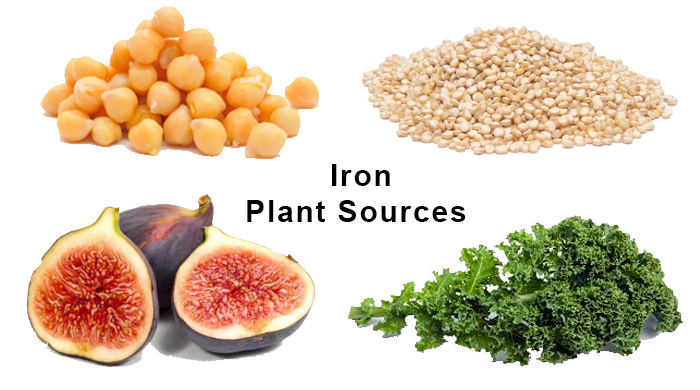
Non-Heme Vegetable Iron Is A Reliable Source Of Iron In Combination With Vitamin C
There are two forms of iron in our food, heme iron and non-heme iron. Meat contains heme and non-heme iron, and plants only contain non-heme iron. Heme iron contains the hemeprotein, which allows it to be better absorbed by the body than non-heme iron.
This may appear to be a concern for vegans since their diets only contain non-heme iron, but it doesn’t have to be. Vegans who eat a well balanced plant-based diet eat a higher ratio per calorie of iron than people who eat primarily meat.
Vegans and vegetarians who eat a well-balanced diet also benefit because their diets tend to be high in vitamin C. Vitamin C greatly increases absorption of non-heme iron, by binding with the non-heme iron and allowing it to reach the intestines for absorption into the bloodstream.
So even though non-heme iron is not absorbed as well as heme iron, a vegan and vegetarian diet offers higher amounts of iron and also supplies more vitamin C which makes the non-heme iron as bioavailable as heme iron.
The consumption of non-heme iron is also better for the body because it doesn’t harm the body the way heme iron harms the body.
Recommended Daily Allowance Of Iron
The Food and Nutrition Board at the Institute of Medicine recommends the following:
- Younger than 6 months: 0.27 milligrams per day (mg/day)
- 7 months to 1 year: 11 mg/day
- 1 to 3 years: 7 mg/day
- 4 to 8 years: 10 mg/day
- 9 to 13 years: 8 mg/day
- 14 to 18 years: 11 mg/day
- Age 19 and older: 8 mg/day
- 9 to 13 years: 8 mg/day
- 14 to 18 years: 15 mg/day
- 19 to 50 years: 18 mg/day
- 51 and older: 8 mg/day
- 14 to 18 years: 27 mg/day
- 19 to 30 years: 27 mg/day
- 31 and 50 years: 27 mg/day
- 14 to 18 years: 10 mg/day
- 19 to 30 years: 9 mg/day
- 31 and 50 years: 9 mg/day
Plant Based, Vegan, Vegetarian Sources For Iron
- Chick peas (1 cup): 12.5mg
- Quinoa (uncooked) (1 cup): 7.8mg
- Peaches, Dried (1 cup, halves): 6.5mg
- Raisins (1 cup): 4.3mg
- Sesame Seeds (1 ounce): 4.12mg
- Pears, Dried (1 cup, halves): 3.78mg
- Prune juice (8 ounces): 3mg
- Figs (dried) (1 cup): 3mg
- Kale (chopped) (1 cup): 1mg
- Dates (5 individual): 1mg
Tags: iron, iron deficiency, vitamin C